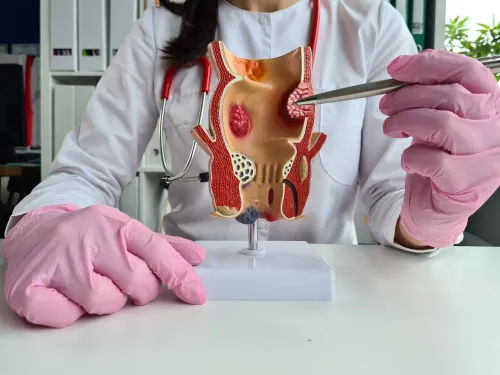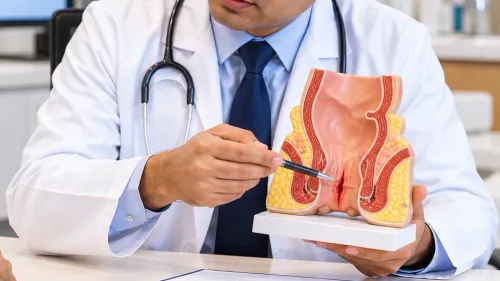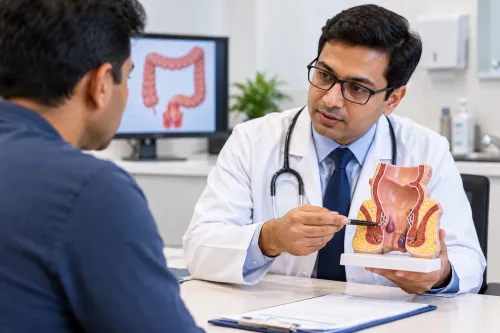
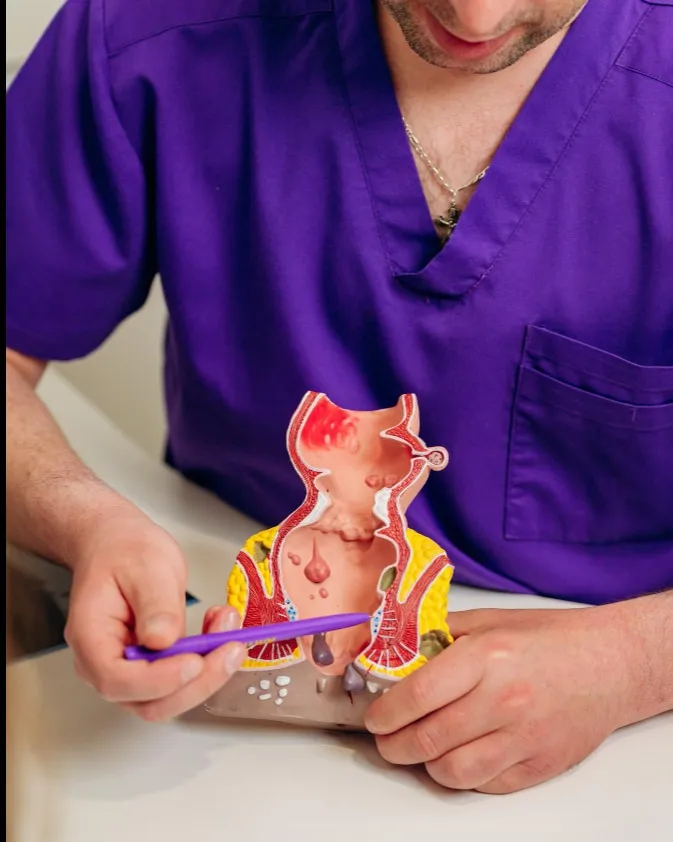
Piles, also known as hemorrhoids, are a common condition that affects people of all ages. While they are often associated with prolonged sitting or constipation, several factors can contribute to their development, including pregnancy, obesity, low-fibre diets, and frequent straining during bowel movements. Many individuals delay seeking treatment because they assume the symptoms will resolve on their own or feel uncomfortable discussing the condition.
In reality, early evaluation can help prevent complications and make treatment much simpler. For people living in Sangamvadi and nearby areas of Pune, understanding when home care is sufficient and when professional medical attention is needed can make a significant difference in recovery.
Can Piles Improve Without Surgery?
The answer depends on the severity of the condition. Mild piles often respond well to lifestyle modifications, especially when symptoms are identified early.
Simple changes that may help include:
- Increasing fibre intake through fruits, vegetables, and whole grains
- Drinking adequate water throughout the day
- Avoiding prolonged sitting on the toilet
- Exercising regularly
- Preventing constipation
- Maintaining a healthy body weight
These measures reduce pressure on the veins around the rectum and may help relieve discomfort in the early stages.
Signs That Shouldn't Be Ignored
While occasional discomfort may improve with conservative care, persistent symptoms should not be overlooked.
Consult a doctor if you experience:
- Bleeding during bowel movements
- Pain while sitting
- Persistent itching around the anal region
- Swelling or a noticeable lump
- Mucus discharge
- Discomfort that interferes with daily activities
These symptoms may indicate more advanced piles or another colorectal condition that requires proper diagnosis.
What Happens During the Medical Evaluation?
Many patients worry that the examination will be painful or complicated. In most cases, the consultation begins with a discussion of symptoms, bowel habits, dietary patterns, and medical history.
Depending on the findings, the doctor may perform a physical examination or recommend additional investigations to confirm the diagnosis and rule out other conditions with similar symptoms.
Accurate diagnosis ensures that treatment is directed toward the actual cause rather than simply relieving symptoms.
Treatment Options Depend on the Stage
There is no single treatment suitable for every patient. The recommended approach depends on symptom severity, the grade of piles, and the patient's overall health.
Treatment may include:
- Dietary and lifestyle guidance
- Medications to reduce pain and inflammation
- Office-based procedures for selected cases
- Surgical treatment for advanced or recurrent piles
Advances in medical technology have also introduced minimally invasive treatment options that often involve less discomfort and faster recovery compared to traditional surgery.
Preventing Recurrence
Even after successful treatment, maintaining healthy bowel habits is important to reduce the likelihood of recurrence.
Long-term preventive measures include:
- Eating fibre-rich meals every day
- Staying physically active
- Avoiding unnecessary straining
- Responding promptly to the urge for bowel movements
- Drinking sufficient water
These habits support digestive health and reduce pressure on the rectal veins.
Piles can usually be managed effectively when diagnosed early. West Valley Multispeciality Hospital Pvt Ltd offers comprehensive evaluation and individualized treatment plans based on the severity of the condition, helping patients return to comfortable daily living with appropriate medical guidance. If symptoms continue despite lifestyle changes, a timely consultation in Sangamvadi can help identify the most suitable treatment before the condition progresses further.
Keywords