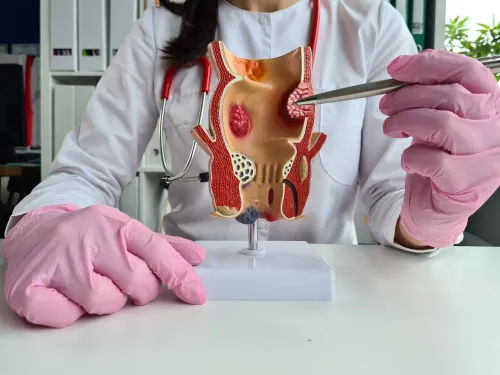
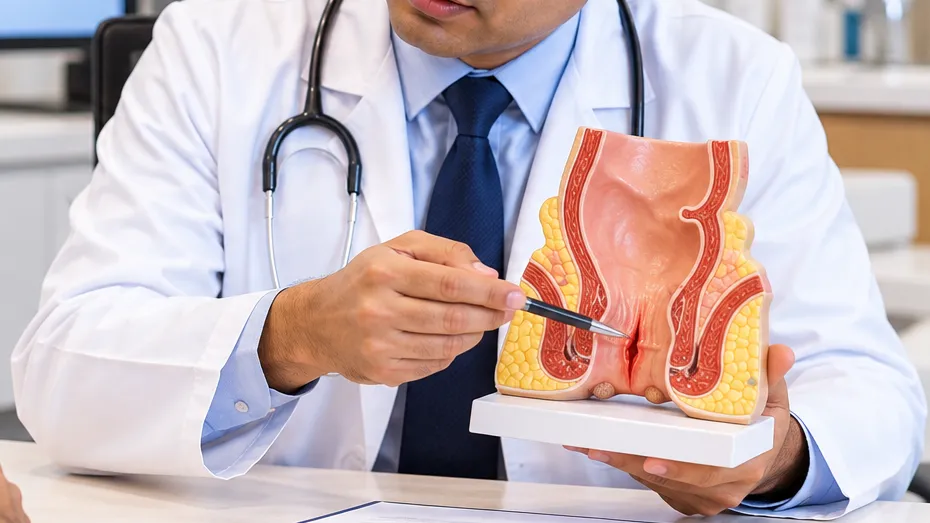
An anal fissure is a small tear in the lining of the anal canal. It commonly causes sharp pain during bowel movements, followed by burning or discomfort that may continue afterward. Small amounts of bright red blood can also appear on toilet paper or the surface of stool.
Because constipation is a common trigger, some fissures improve with measures that make bowel movements easier. Persistent symptoms, however, deserve medical assessment.
For patients in Sangamvadi and central Pune, knowing when home care has reached its limit can prevent prolonged discomfort.
What Usually Causes an Anal Fissure?
Hard stool and straining are common contributors.
Other factors can include repeated diarrhoea, childbirth, local trauma, and certain underlying medical conditions.
Once a fissure develops, pain can lead to tightening of the anal sphincter. This may make bowel movements more uncomfortable and can interfere with healing.
What Can Help During the Early Stage?
Initial management often focuses on reducing constipation and avoiding repeated injury to the area.
Depending on medical advice, this may involve:
- Adequate water intake
- Fibre-rich foods
- Appropriate stool-softening measures
- Avoiding excessive straining
- Warm sitz baths
- Prescribed topical medication
The goal is to allow the tear to heal while reducing pain and muscle spasm.
When Should You Stop Relying on Self-Treatment?
Medical evaluation becomes particularly important when pain continues, bleeding repeatedly returns, symptoms persist despite bowel-habit changes, or the condition frequently recurs.
Patients should also seek assessment when they are unsure whether the problem is actually a fissure.
Piles and fissures are often confused because both may cause bleeding. Fistula, abscesses, infections, and other anorectal conditions can produce different combinations of pain, swelling, and discharge.
Chronic Fissures May Need Further Treatment
A fissure that fails to heal may require additional medical or surgical management.
The decision depends on symptom duration, examination findings, previous treatment, underlying causes, and the patient's overall health.
Rather than choosing a procedure from online descriptions, patients should first determine why the fissure is not healing.
Preventing Recurrence Matters
Treatment is only part of the solution if constipation continues.
Long-term bowel health can be supported by consuming adequate fibre, drinking sufficient fluids, remaining physically active, responding to the natural urge to pass stool, and avoiding prolonged straining.
People who experience recurrent constipation may need medical evaluation to identify contributing medications, dietary patterns, or health conditions.
West Valley Multispeciality Hospital provides General Surgery services as part of its multispeciality care in Pune.
For people seeking fissure treatment around Sangamvadi, the key distinction is between a recent uncomplicated fissure that may respond to conservative care and a persistent condition that requires further evaluation. Repeated pain should not simply become part of a person's routine. Proper diagnosis can clarify the cause and determine the safest next step.
Keywords