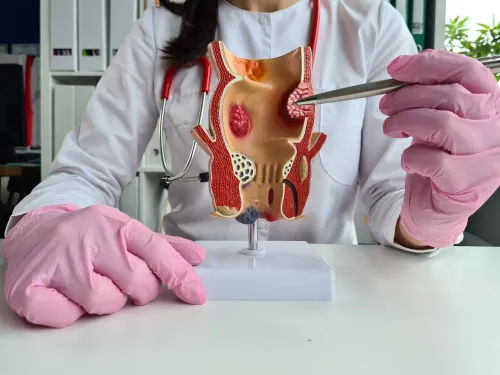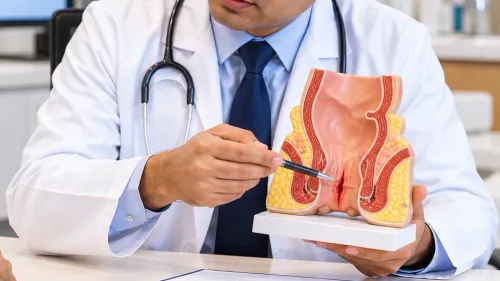

Piles, medically known as haemorrhoids, are swollen blood vessels in or around the anus and lower rectum. They can cause bleeding, itching, discomfort, swelling, or a lump near the anus. Although haemorrhoids are common, rectal bleeding should not automatically be assumed to be piles.
For people seeking piles treatment in Sangamvadi, the first step is confirming the diagnosis.
Why Diagnosis Matters
Several conditions can cause anal pain or bleeding.
These include haemorrhoids, anal fissure, fistula, infections, inflammatory conditions, polyps, and other colorectal disorders.
This is why repeatedly using over-the-counter creams without assessment may delay identification of the actual problem.
A doctor may ask about bleeding, bowel habits, pain, constipation, swelling, duration of symptoms, and previous episodes before performing an appropriate examination.
Mild Piles May Respond to Conservative Care
Treatment depends on the type and severity of haemorrhoids.
For mild symptoms, management may focus on improving bowel habits and reducing straining.
Common recommendations can include:
- Increasing dietary fibre
- Drinking adequate fluids
- Avoiding prolonged straining
- Staying physically active
- Treating constipation appropriately
- Avoiding unnecessary time on the toilet
Medicines may also be recommended for symptom relief in suitable cases.
When Is a Procedure Considered?
Persistent, recurrent, prolapsing, or more advanced haemorrhoids may require procedural treatment.
The appropriate technique depends on whether the haemorrhoids are internal or external, their grade, severity of symptoms, previous treatment, and the patient's overall health.
Patients comparing treatment options should ask the surgeon:
- What grade of haemorrhoids do I have?
- Is conservative treatment still appropriate?
- Why is this procedure recommended?
- What type of anaesthesia is required?
- How long is recovery likely to take?
- What post-procedure care is necessary?
- Can symptoms recur?
These questions are more useful than selecting a treatment solely because it is described as “advanced” or “painless.”
Know the Warning Signs
Rectal bleeding needs medical attention when it is recurrent, substantial, associated with dizziness or weakness, accompanied by changes in bowel habits, or unexplained.
Severe anal pain, fever, rapidly increasing swelling, or discharge may indicate another condition requiring evaluation.
Look Beyond the Procedure
When choosing where to receive piles treatment, consider the complete care pathway.
A suitable facility should be able to assess the diagnosis, determine whether surgery is necessary, arrange relevant investigations, manage anaesthesia when required, provide post-operative care, and explain follow-up.
West Valley Multispeciality Hospital lists General Surgery among its services at its Pune facility.
For residents of Sangamvadi, the most appropriate piles treatment is not necessarily the most complex procedure. It is the approach selected after confirming the diagnosis and understanding the severity of disease. Starting with a proper examination helps distinguish haemorrhoids from other causes of bleeding and allows treatment to be matched to the patient's actual condition.
Keywords