An anal fistula is an abnormal passage connecting the anal canal with skin near the anus. It often develops following an infection or abscess and may cause repeated swelling, discharge, irritation, discomfort, or recurring episodes of infection.
Unlike temporary skin irritation, a fistula often requires specialist assessment because the tract can vary considerably in location and complexity.
For patients considering fistula treatment in Sangamvadi,understanding these differences is important before selecting a procedure.
Why Are All Fistulas Not Treated the Same Way?
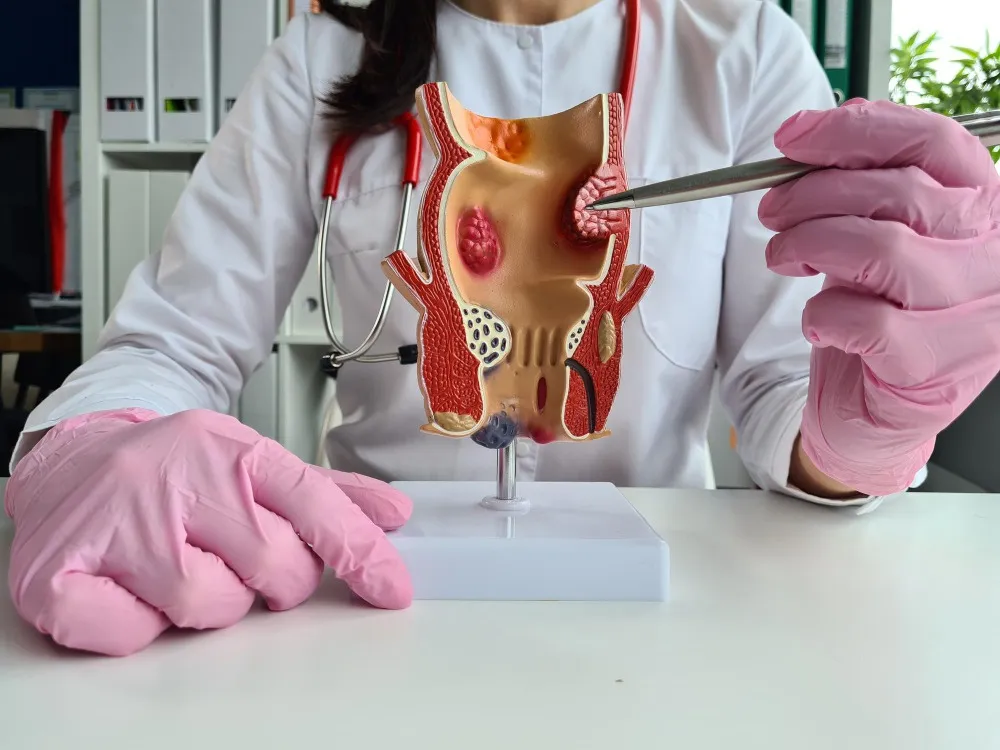
The anal sphincter muscles help maintain bowel control. A fistula tract may pass close to or through these muscles.
Treatment therefore needs to balance two important goals: addressing the fistula while protecting normal sphincter function as much as possible.
The appropriate procedure depends on factors such as:
- Location of the tract
- Depth
- Relationship with sphincter muscles
- Presence of an abscess
- Previous fistula surgery
- Number of tracts
- Associated medical conditions
This is why one procedure cannot be considered ideal for every patient.
What Investigations May Be Needed?
Clinical examination provides important information.
Depending on complexity, additional evaluation may include anoscopy, MRI, endoanal ultrasound, or other investigations.
West Valley Multispeciality Hospital's published information on fistula treatment notes that diagnostic assessment can include examination, anoscopy, MRI, endoanal ultrasound, and blood investigations when infection is suspected.
What Treatment Options Can Be Considered?
The procedure is selected according to the fistula's anatomy.
Possible approaches may include fistulotomy in suitable cases, seton placement, drainage when an abscess is present, sphincter-preserving procedures, or selected minimally invasive techniques.
The hospital's fistula information similarly describes options including drainage, fistulotomy, seton placement, and sphincter-preserving approaches depending on the individual case.
Patients should avoid choosing a procedure solely from an advertisement or a friend's experience.
Questions Worth Asking Before Treatment
A useful surgical consultation should help you understand:
- Is the fistula simple or complex?
- Is an abscess present?
- Does the tract involve sphincter muscle?
- Is imaging necessary?
- Which procedure is recommended?
- Why is that procedure appropriate?
- What is the expected recovery process?
- What follow-up will be required?
Understanding the anatomy of the fistula makes the treatment discussion much clearer.
Recovery Is Part of Treatment Planning
Post-treatment care may involve wound hygiene, prescribed medication, sitz baths, dietary measures, hydration, and follow-up examinations.
Patients should receive clear instructions about wound care and signs that require medical attention.
For individuals in Sangamvadi and surrounding Pune areas, recurring discharge or swelling near the anus should not be repeatedly treated as a minor skin infection. Fistula management begins with determining the tract's anatomy and complexity. Choosing a surgical plan after proper evaluation helps ensure that treatment addresses the underlying problem while considering preservation of normal bowel function.
Keywords