
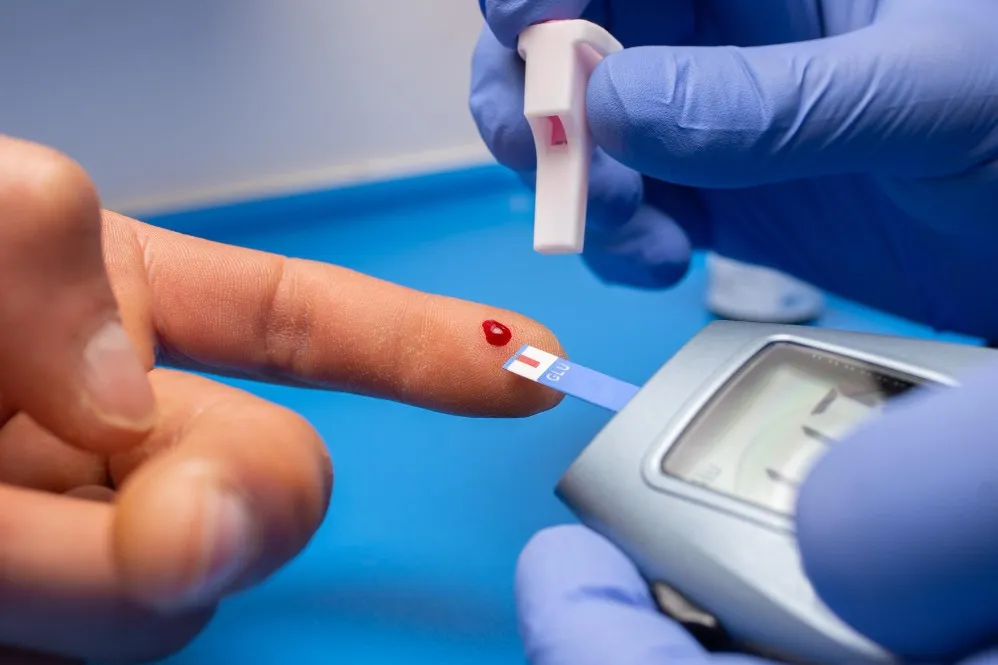
Diabetes management involves much more than checking whether a single blood glucose reading is high. The condition can affect different parts of the body over time, which is why long-term care usually focuses on glucose control, blood pressure, kidney function, cardiovascular risk, eye health, foot health, medication use, nutrition, and physical activity.
For adults living in Sangamvadi and Pune, understanding this broader picture can make routine diabetes care more meaningful.
One Reading Does Not Tell the Whole Story
Blood glucose changes throughout the day depending on food intake, activity, medicines, illness, stress, and other factors.
Doctors therefore interpret glucose readings in context.
HbA1c testing is commonly used to provide information about average blood glucose levels over the preceding months. The appropriate testing schedule and target range should be determined according to the individual's medical situation.
Why Does Diabetes Need Long-Term Follow-Up?
Persistently elevated blood glucose can gradually affect blood vessels and nerves.
Over time, diabetes may contribute to problems involving the:
- Heart
- Kidneys
- Eyes
- Feet
- Peripheral nerves
- Blood vessels
The purpose of routine follow-up is not simply to change medication. It is also to identify risk factors and complications before they become more difficult to manage.
Blood Pressure Matters Too
Diabetes and hypertension frequently occur together.
When both conditions are present, cardiovascular and kidney risks require particular attention. This makes regular blood pressure measurement an important part of diabetes follow-up.
Patients should know their prescribed targets rather than assuming one target is appropriate for everyone.
Kidney Monitoring Is Important
The kidneys filter waste products from the blood, and diabetes is an important risk factor for chronic kidney disease.
Depending on the patient's situation, doctors may recommend blood tests for kidney function and urine testing for signs of kidney damage.
West Valley Multispeciality Hospital lists both Diabetology and Nephrology among its treatment categories, which can be relevant when patients have overlapping metabolic and kidney concerns.
Do Not Forget the Feet
Reduced sensation caused by diabetic neuropathy can make small foot injuries easier to miss.
People with diabetes should regularly inspect their feet for cuts, blisters, redness, swelling, cracks, or wounds that are not healing normally. Suitable footwear and timely medical attention for wounds are especially important.
Lifestyle Still Plays a Central Role
Medication cannot replace healthy daily habits.
A diabetes management plan may include regular physical activity, balanced meals, appropriate portion sizes, weight management when needed, adequate sleep, tobacco avoidance, and adherence to prescribed medication.
The exact plan should be personalised rather than copied from another patient's routine.
For people in Sangamvadi, effective diabetes care is best viewed as continuous risk management rather than occasional treatment of high sugar readings. Regular medical reviews create opportunities to assess glucose control while also monitoring blood pressure, kidneys, cardiovascular risk, medication effects, and other complications. This broader approach can help patients understand what needs attention before symptoms become severe.
Keywords