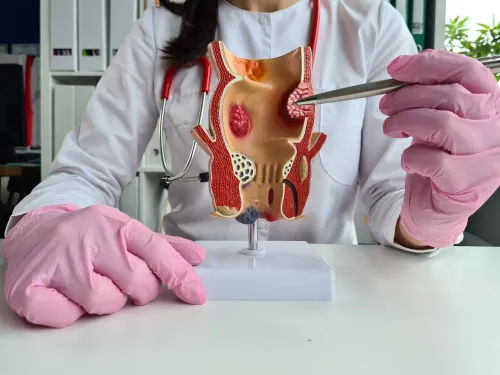
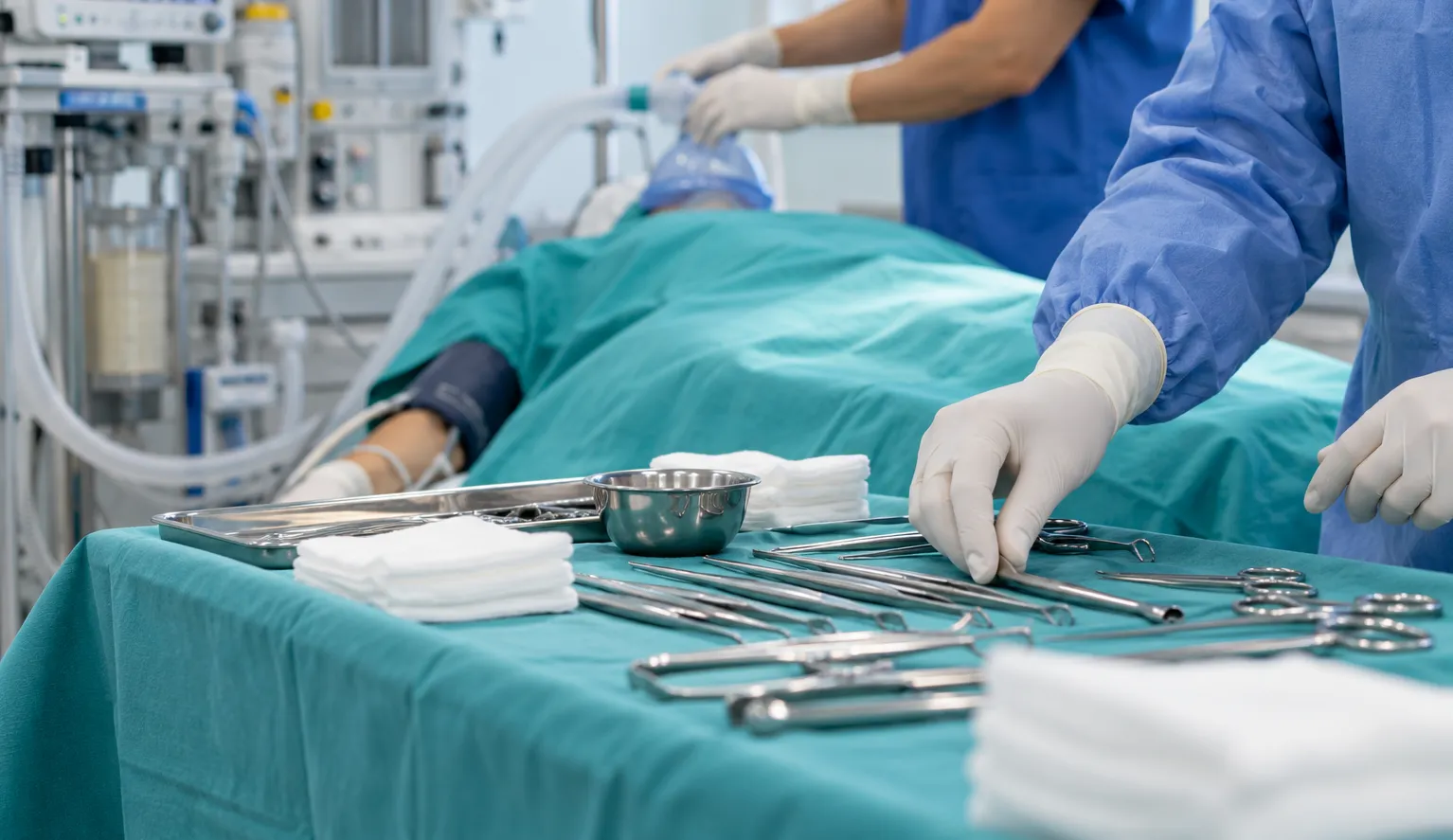
Being advised to undergo surgery can bring several questions. Patients often want to know why an operation is necessary, what tests will be performed, how anaesthesia works, how long recovery might take, and what they should do before reaching the hospital.
Good preparation helps patients participate more confidently in their surgical care.
For individuals in Sangamvadi and central Pune, preparation usually begins with understanding the diagnosis rather than focusing only on the operation itself.
Why Is Surgery Being Recommended?
Not every medical problem requires an operation. Depending on the condition, doctors may initially consider medication, observation, lifestyle changes, physiotherapy, or other non-surgical measures.
Surgery may become appropriate when the underlying problem is unlikely to improve sufficiently with conservative treatment, symptoms are worsening, complications are developing, or an operation offers a suitable way to correct the condition.
Patients should understand:
- The diagnosis
- The purpose of surgery
- Available treatment alternatives
- Expected benefits
- Important risks
- Likely recovery period
- Consequences of delaying treatment
These discussions form an important part of informed decision-making.
What Happens During Pre-Surgical Evaluation?
Pre-operative assessment helps the medical team understand whether additional precautions are needed.
Depending on the patient's age, medical history, and planned procedure, evaluation may include blood tests, urine tests, ECG, imaging, chest assessment, or other investigations.
People with diabetes, hypertension, kidney disease, heart disease, respiratory conditions, or other long-term illnesses may require additional review before surgery.
Patients should provide an accurate list of medications, supplements, previous operations, allergies, and significant medical conditions.
Medicines Need Special Attention
Do not independently stop regular medicines before an operation.
Certain medicines may need adjustment, particularly medications affecting blood clotting, diabetes treatment, or blood pressure. The surgeon and anaesthesia team should provide instructions based on the individual patient's circumstances.
This is one reason patients should disclose everything they take regularly, including non-prescription products.
Why Are Fasting Instructions Important?
Patients are commonly asked not to eat or drink for a specified period before procedures involving anaesthesia.
The duration depends on the procedure and anaesthesia plan. Follow the hospital's instructions exactly rather than assuming that fasting always begins at midnight.
If instructions are unclear, confirm them with the treating team.
Prepare for Recovery Before Admission
Preparation should include what happens after the operation.
Ask whether you are likely to need:
- Hospital admission
- Assistance walking
- Wound care
- Dietary modifications
- Physiotherapy
- Temporary activity restrictions
- Follow-up visits
- Help at home
Arranging these requirements beforehand can make the transition from hospital to home easier.
West Valley Multispeciality Hospital lists General Surgery among its treatment categories and provides surgical services within its multispeciality setup in Pune.
Patients from Sangamvadi should remember that successful surgical care involves more than the procedure itself. Accurate diagnosis, appropriate pre-operative assessment, anaesthesia planning, safe surgery, post-operative monitoring, and recovery guidance all matter. Understanding each stage gives patients realistic expectations and helps them arrive better prepared for treatment.
Keywords