
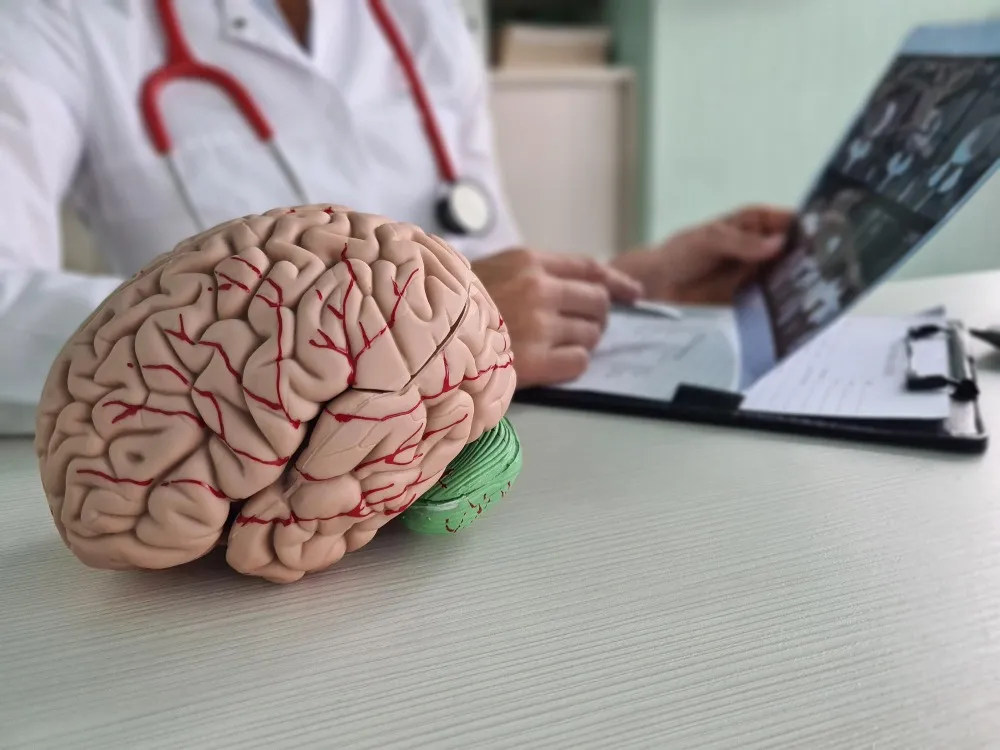
The brain, spine, and nervous system control almost every function of the human body, from movement and sensation to memory and coordination. When a neurological condition develops, many people immediately assume that surgery will be necessary. In reality, neurosurgery is recommended only after a careful evaluation of the patient's symptoms, diagnostic findings, and response to non-surgical treatments.
Understanding when surgery becomes an appropriate option can help patients and families make informed decisions instead of relying on assumptions or unnecessary fear.
For residents of Sangamvadi and nearby parts of Pune, early consultation with a neurosurgical team can help identify the most effective treatment approach before neurological problems begin affecting daily life.
Not Every Neurological Problem Needs Surgery
Many neurological conditions can be managed successfully through medication, physiotherapy, rehabilitation, or regular observation.
However, surgery may be considered when:
- Symptoms continue despite conservative treatment.
- There is pressure on the brain or spinal cord.
- A structural abnormality requires correction.
- Progressive nerve damage is affecting movement or sensation.
- Delaying treatment may increase the risk of permanent complications.
The decision is always based on detailed clinical evaluation rather than symptoms alone.
Conditions Commonly Managed by Neurosurgeons
Neurosurgeons diagnose and treat a wide range of disorders involving the brain, spine, and peripheral nerves.
These include:
- Brain tumours
- Spinal disc prolapse
- Brain haemorrhage
- Head injuries
- Spinal trauma
- Hydrocephalus
- Trigeminal neuralgia
- Peripheral nerve compression
- Certain congenital neurological disorders
Each condition requires an individualised treatment plan based on its severity and location.
How Is the Decision Made?
Before recommending surgery, doctors carefully analyse several factors.
They typically evaluate:
Clinical symptoms
How the condition affects mobility, speech, balance, strength, sensation, or daily activities.
Imaging results
MRI scans, CT scans, or other imaging studies help identify structural abnormalities.
Duration of symptoms
Persistent or worsening symptoms despite appropriate treatment often require further evaluation.
Overall health
Age, existing medical conditions, and recovery potential all influence treatment planning.
This comprehensive assessment ensures that surgery is recommended only when its benefits outweigh the potential risks.
What Should Patients Expect Before Surgery?
Preparation begins well before the operation.
Depending on the condition, doctors may advise:
- Blood investigations
- Cardiac evaluation
- Anaesthesia consultation
- Repeat imaging if necessary
- Medication adjustments
- Temporary fasting before surgery
Patients and family members also receive detailed information regarding the procedure, expected recovery, and possible rehabilitation requirements.
Recovery Looks Different for Every Patient
Recovery following neurosurgery depends on several factors, including the type of procedure performed, the patient's overall health, and the underlying neurological condition.
Recovery plans often include:
- Pain management
- Early mobilisation
- Physiotherapy
- Occupational therapy
- Regular neurological assessment
- Scheduled follow-up imaging when required
Some patients recover within weeks, while others benefit from a longer rehabilitation programme.
Why Early Evaluation Matters
Many neurological disorders progress gradually. Symptoms such as persistent headaches, weakness, numbness, balance problems, or difficulty walking are sometimes ignored until they begin interfering with everyday life.
Seeking medical evaluation early allows doctors to identify whether the condition requires observation, medication, rehabilitation, or surgical treatment before significant neurological damage occurs.
West Valley Multispeciality Hospital Pvt Ltd provides comprehensive neurosurgical care supported by advanced diagnostic imaging, experienced specialists, and multidisciplinary rehabilitation services. If persistent neurological symptoms are affecting your daily activities or your doctor has suggested further evaluation, consulting a neurosurgery specialist in Sangamvadi can help you understand all available treatment options and choose the most appropriate course of care.
Keywords