When a loved one is moved to the Intensive Care Unit (ICU), families often assume the worst. In reality, an ICU is not reserved only for life-threatening emergencies. It is a highly specialized area where patients receive continuous observation, advanced medical support, and immediate intervention whenever their condition requires close monitoring. In many cases, early ICU admission helps prevent complications rather than responding to them after they occur.
For families in Sangamvadi and nearby areas of Pune, understanding how doctors make ICU decisions can reduce uncertainty and help them participate more confidently in discussions about treatment.
ICU Admission Is Based on Medical Need, Not Just Diagnosis
Many illnesses can become serious if the body's vital functions begin to deteriorate. Instead of focusing only on the disease itself, doctors evaluate how well the patient's heart, lungs, brain, kidneys, and other organs are functioning.
A patient may require ICU care if they experience:
- Difficulty maintaining normal blood pressure
- Severe breathing problems requiring oxygen or ventilator support
- Sudden changes in consciousness
- Multiple organ complications
- Serious infections affecting the entire body
- Major trauma following accidents
- Complications after complex surgery
Some patients remain in the ICU for only 24 to 48 hours for observation, while others require longer stays depending on their recovery.
What Happens During the First Few Hours?
The initial phase of ICU care focuses on stabilizing the patient.
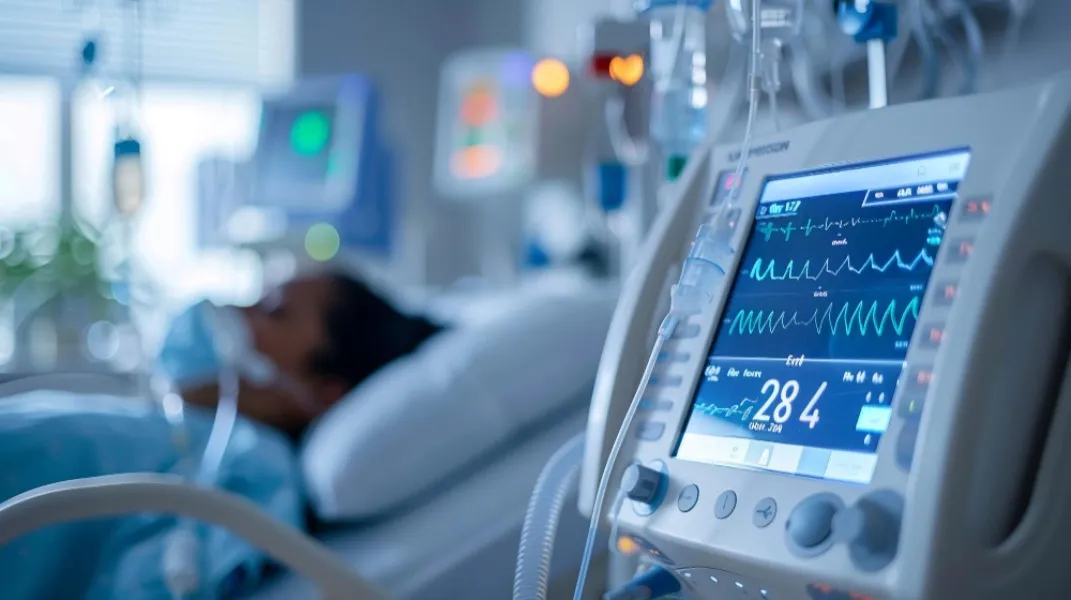
Doctors and nurses immediately begin monitoring several vital parameters, including:
- Heart rhythm
- Oxygen saturation
- Blood pressure
- Respiratory rate
- Urine output
- Neurological response
Blood investigations, imaging studies, and specialist consultations may also be performed to identify the underlying cause of the patient's condition.
Because changes can occur rapidly, ICU staff continuously review these parameters rather than checking them only a few times each day.
Why ICU Care Is Different from a General Ward
A hospital ward provides treatment for patients whose condition is relatively stable. An ICU, however, is designed for individuals whose health may change within minutes.
Some key differences include:
- Continuous electronic monitoring
- Higher nurse-to-patient ratio
- Availability of advanced life-support equipment
- Immediate access to emergency medications
- Multidisciplinary specialist involvement
- Round-the-clock clinical supervision
This environment allows healthcare teams to respond quickly whenever treatment adjustments become necessary.
Questions Families Frequently Ask
It is natural to have concerns when someone is admitted to critical care. Some useful questions include:
How serious is the patient's condition?
Doctors explain the current clinical status and the reasons for ICU admission.
Can family members visit?
Visiting policies vary depending on the patient's condition and hospital protocols.
How long will ICU treatment continue?
There is no fixed timeline. The patient's response to treatment determines when transfer to a regular ward becomes appropriate.
Will every ICU patient require a ventilator?
No. While some patients need ventilator support, many receive ICU care for close observation without mechanical ventilation.
Recovery Begins Even Inside the ICU
Critical care is not only about emergency treatment. Recovery starts from the moment the patient's condition begins to stabilize.
The healthcare team gradually works toward:
- Reducing life-support requirements
- Improving breathing
- Restoring organ function
- Managing pain effectively
- Preventing infections
- Preparing the patient for transfer to a regular room
Every small improvement contributes to the overall recovery process.
West Valley Multi-speciality Hospital Pvt Ltd provides intensive care services supported by experienced critical care specialists, advanced monitoring systems, and coordinated multidisciplinary treatment. The hospital's approach focuses on delivering timely interventions while keeping families informed throughout the patient's care journey.
If someone you care about develops a serious medical condition or requires close monitoring after major surgery, seeking prompt evaluation at a hospital with comprehensive ICU facilities in Sangamvadi can support timely treatment and improve the chances of a safer recovery.
Keywords