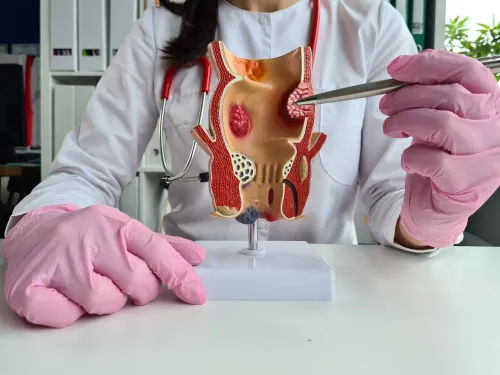
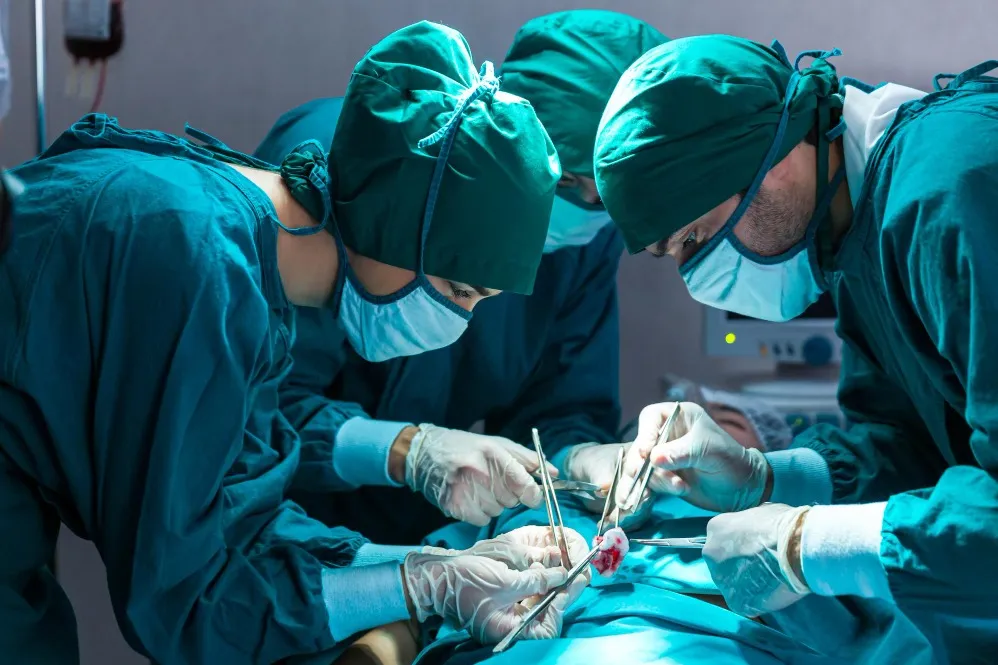
Being advised to undergo surgery often brings a mix of questions and concerns. Many patients wonder whether the procedure is absolutely necessary, how they should prepare, how long recovery will take, and when they can return to normal life. While every surgery is different, understanding the complete treatment journey can help reduce anxiety and make patients feel more confident about the process.
For residents of Sangamvadi and nearby areas of Pune, having access to experienced surgical care and clear guidance throughout the treatment journey plays an important role in achieving a smoother recovery.
Step 1: Understanding Why Surgery Is Recommended
General surgery is performed to diagnose, treat, or manage conditions that cannot be effectively resolved through medication or lifestyle changes alone. Before recommending surgery, doctors carefully review the patient's symptoms, medical history, physical examination findings, and diagnostic reports.
Some common conditions treated by general surgeons include:
- Hernias
- Gallbladder stones
- Appendicitis
- Soft tissue swellings
- Skin cysts
- Certain gastrointestinal disorders
- Emergency abdominal conditions
In many situations, surgery is recommended only after conservative treatment options have been evaluated.
Step 2: Preparing for the Procedure
Once surgery is planned, the preparation phase begins. This stage helps minimize risks and ensures the patient is medically fit for the operation.
Preparation may include:
- Blood investigations
- ECG or cardiac evaluation
- Chest X-ray when required
- Medication review
- Anaesthesia assessment
- Instructions regarding fasting before surgery
Patients are also encouraged to discuss any allergies, existing medical conditions, or medications they regularly take. Providing complete medical information helps the surgical team plan the safest approach.
Step 3: What Happens on the Day of Surgery?
On the day of the procedure, patients are admitted and prepared for surgery according to the treatment plan. Depending on the condition, the surgeon may perform either an open procedure or a minimally invasive laparoscopic surgery.
Whenever medically appropriate, minimally invasive techniques offer several advantages:
- Smaller incisions
- Less post-operative discomfort
- Reduced blood loss
- Faster recovery
- Shorter hospital stay
- Smaller scars
However, the choice of surgical technique depends entirely on the patient's diagnosis and clinical condition.
Step 4: Recovery Inside the Hospital
Recovery begins immediately after the operation. Patients are shifted to the recovery area, where healthcare professionals monitor vital signs until the effects of anaesthesia gradually wear off.
During this period, the medical team focuses on:
- Pain management
- Monitoring surgical wounds
- Preventing infection
- Encouraging early movement where appropriate
- Gradually restarting food and fluids
The length of hospital stay varies according to the complexity of the surgery and the individual's overall health.
Step 5: Recovery at Home
Leaving the hospital is only one part of the healing process. Following medical advice during recovery significantly improves outcomes.
Patients are generally advised to:
- Take medications exactly as prescribed.
- Keep the surgical wound clean and dry.
- Avoid lifting heavy objects.
- Attend scheduled follow-up appointments.
- Resume physical activities gradually.
- Follow dietary recommendations provided by the surgeon.
Ignoring post-operative instructions may delay healing or increase the risk of complications.
When Should You Contact Your Doctor?
While mild discomfort is expected after surgery, certain symptoms require prompt medical attention.
These include:
- Persistent fever
- Increasing redness or swelling around the incision
- Heavy bleeding
- Severe pain that does not improve with medication
- Difficulty breathing
- Continuous vomiting
Early evaluation helps address complications before they become more serious.
West Valley Multispeciality Hospital Pvt Ltd provides comprehensive general surgery services supported by experienced surgeons, advanced operation theatres, modern diagnostic facilities, and coordinated post-operative care. The hospital focuses on helping patients understand every stage of their surgical journey so they can make informed decisions with confidence.
If you have been advised to undergo surgery or are experiencing symptoms that may require surgical evaluation, consulting an experienced general surgeon in Sangamvadi can help you understand your treatment options and choose the most appropriate path toward recovery.
Keywords