An anal fistula is a condition that many people have heard of but few fully understand. Because its symptoms can resemble other anorectal problems, such as piles or fissures, it is often misdiagnosed or ignored in its early stages. Delaying treatment, however, can allow the infection to spread, making the condition more difficult to manage.
For residents of Sangamvadi and nearby areas of Pune, knowing how an anal fistula develops and why timely treatment matters can help avoid repeated infections and unnecessary discomfort.
How Does an Anal Fistula Develop?
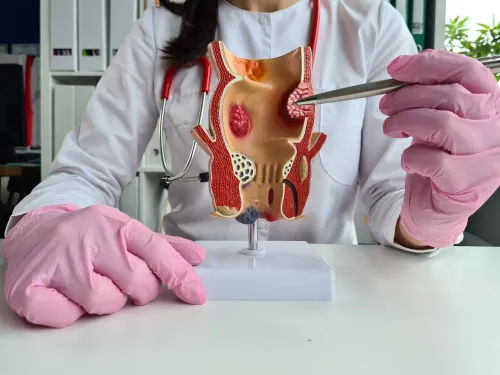
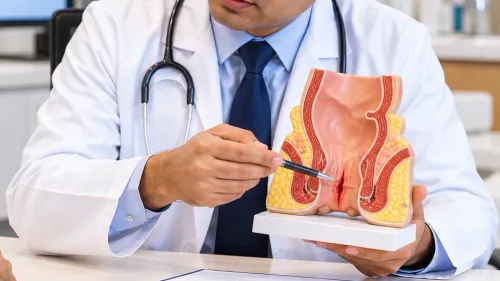
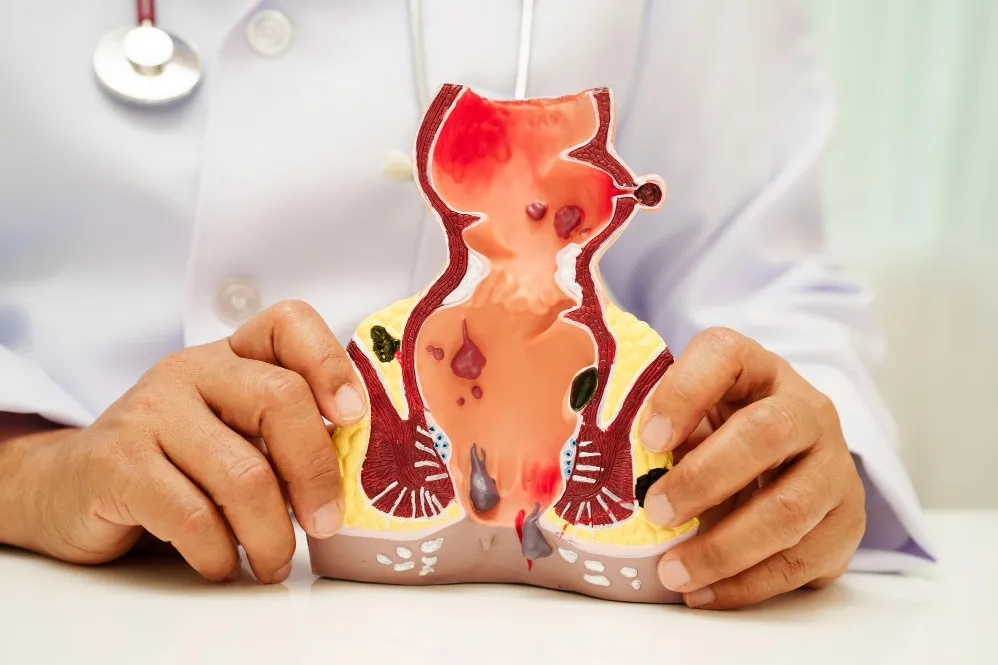
Most anal fistulas begin with an infection in one of the small glands inside the anal canal. If the infection forms an abscess and does not heal completely, it may create a small tunnel between the inside of the anal canal and the skin surrounding it. This tunnel is known as a fistula.
Unlike minor skin infections, a fistula usually does not heal permanently without appropriate medical treatment because the infected tract remains beneath the skin.
Early Symptoms That Should Not Be Ignored
The symptoms may develop gradually and often become more noticeable over time.
Common warning signs include:
- Recurrent swelling near the anal area
- Persistent or intermittent pain
- Pus or fluid discharge
- Skin irritation around the opening
- Bleeding during bowel movements
- Fever if an active infection is present
Many patients notice temporary improvement after the discharge occurs, only for the symptoms to return days or weeks later.
Why Self-Treatment Usually Doesn't Work
Because the external opening may occasionally drain on its own, some people assume the condition has healed. In reality, the internal tract often remains active, allowing infection to recur repeatedly.
Using home remedies or antibiotics without identifying the underlying fistula may provide short-term relief but rarely eliminates the condition completely.
How Is a Fistula Diagnosed?
Diagnosis begins with a detailed medical history and physical examination.
Depending on the complexity of the fistula, your doctor may recommend additional investigations such as:
- Digital examination
- Anoscopy
- MRI scan
- Endoanal ultrasound
- Blood tests if infection is suspected
These investigations help determine the location, depth, and complexity of the fistula before treatment planning begins.
Available Treatment Options
Treatment depends on several factors, including the fistula's size, location, and relationship with surrounding muscles.
Possible treatment approaches include:
- Drainage of associated abscesses
- Fistulotomy for suitable cases
- Seton placement in selected patients
- Advanced sphincter-preserving procedures
- Minimally invasive techniques where appropriate
The primary goal is to remove the infection while preserving normal bowel control.
Recovery After Treatment
Recovery varies depending on the procedure performed and the complexity of the fistula.
Patients are generally advised to:
- Keep the area clean and dry
- Follow prescribed medications
- Take warm sitz baths if recommended
- Eat a fibre-rich diet
- Stay hydrated
- Attend follow-up appointments
Following post-treatment instructions carefully supports better healing and reduces the risk of recurrence.
An anal fistula is unlikely to resolve permanently without appropriate medical care. West Valley Multispeciality Hospital Pvt Ltd offers comprehensive evaluation and individualized fistula treatment using modern diagnostic techniques and evidence-based surgical approaches. If you are experiencing recurring swelling, discharge, or persistent discomfort around the anal region, seeking an early assessment in Sangamvadi can help prevent repeated infections and support a smoother recovery.
Keywords