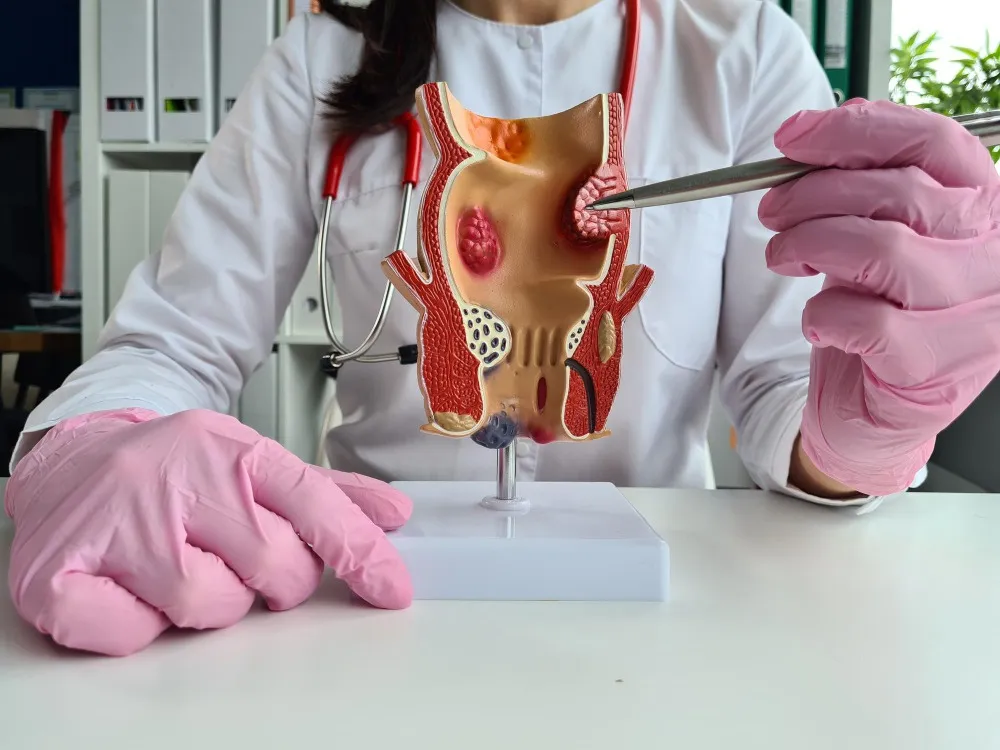
A sharp pain during or after a bowel movement is often dismissed as a temporary digestive problem. However, if the pain keeps returning or is accompanied by bleeding, it could be an anal fissure. Although fissures are common, many people delay treatment due to embarrassment or the hope that the problem will resolve on its own. Unfortunately, postponing medical care can sometimes turn a simple condition into a chronic one.
For residents of Sangamvadi and surrounding areas of Pune, understanding the stages of an anal fissure and the available treatment options can help prevent prolonged discomfort and unnecessary complications.
What Exactly Is an Anal Fissure?
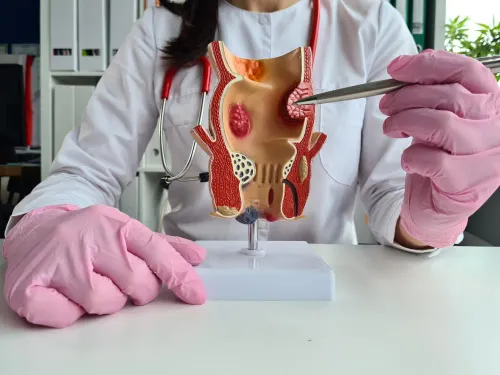
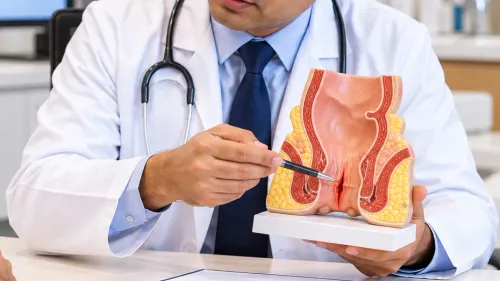
An anal fissure is a small tear in the lining of the anal canal. Even though the tear may be tiny, it can cause significant pain because the area contains numerous sensitive nerve endings.
Fissures commonly develop due to:
- Passing hard stools
- Chronic constipation
- Frequent diarrhoea
- Straining during bowel movements
- Childbirth in some women
- Inflammatory bowel conditions
While anyone can develop a fissure, the condition is particularly common among adults with irregular bowel habits.
Recognising the Symptoms
Symptoms often appear suddenly and may become more noticeable over time if left untreated.
Typical signs include:
- Sharp pain during bowel movements
- Burning sensation lasting several minutes or hours
- Bright red blood on toilet paper
- Difficulty passing stools due to fear of pain
- Muscle spasms around the anal area
Because these symptoms may overlap with piles or other anorectal conditions, professional evaluation is important for an accurate diagnosis.
How Doctors Decide the Right Treatment
Treatment depends largely on whether the fissure is acute or chronic.
Acute Fissures
Recent fissures often heal with conservative treatment that focuses on reducing strain during bowel movements and allowing the tear to recover naturally.
Management may include:
- Increasing dietary fibre
- Drinking more water
- Stool softeners when necessary
- Warm sitz baths
- Prescription medications to reduce pain and muscle spasm
Chronic Fissures
If the fissure has been present for several weeks or repeatedly returns despite treatment, additional medical procedures may be considered.
Modern treatment options are selected based on the patient's symptoms, examination findings, and overall health.
Daily Habits That Support Healing
Recovery depends not only on medical treatment but also on healthy daily habits.
Doctors generally recommend:
- Eating fibre-rich meals
- Avoiding prolonged constipation
- Staying physically active
- Not delaying bowel movements
- Maintaining adequate hydration
- Following prescribed medications consistently
These changes reduce pressure on the affected area and support faster healing.
Can Fissures Be Prevented?
Although prevention is not always possible, maintaining healthy digestive habits significantly lowers the risk.
Helpful preventive measures include:
- Consuming balanced meals
- Exercising regularly
- Limiting processed foods
- Drinking sufficient fluids
- Addressing constipation early instead of waiting for symptoms to worsen
These simple practices also contribute to better overall digestive health.
An anal fissure is often highly treatable when diagnosed early. West Valley Multispeciality Hospital Pvt Ltd provides comprehensive evaluation and treatment for fissures using individualized care plans based on each patient's condition. If pain or bleeding during bowel movements continues for more than a few days, consulting an experienced specialist in Sangamvadi can help you receive timely treatment and avoid unnecessary long-term discomfort.
Keywords