A lipoma is a usually benign lump made of fatty tissue. Many lipomas grow slowly, remain painless, and do not require treatment simply because they exist.
The more important issue is making sure that a lump assumed to be a lipoma has been appropriately evaluated.
For patients in Sangamvadi, a new or changing soft tissue lump deserves attention when its characteristics are uncertain.
What Does a Typical Lipoma Feel Like?
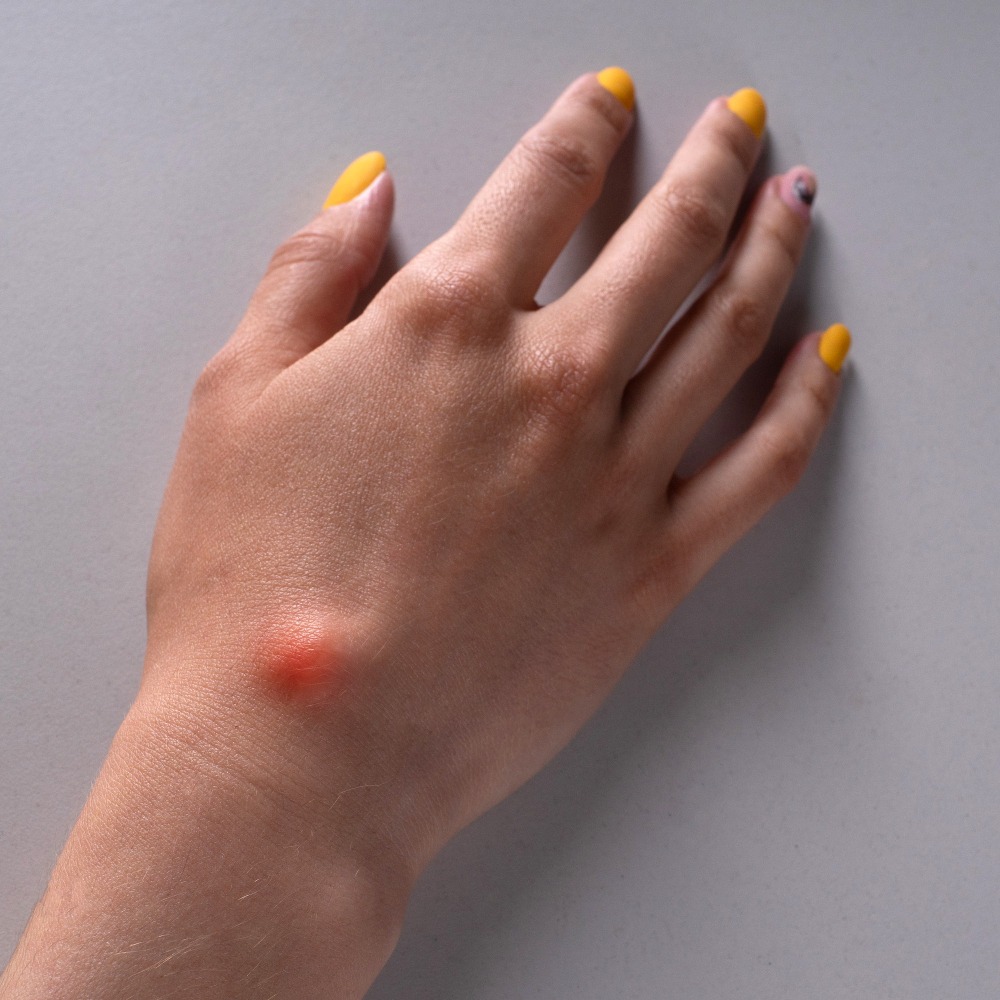
Lipomas commonly develop beneath the skin and may feel soft or rubbery. They can often be moved slightly under the skin and may grow gradually over time.
Common locations include the shoulders, back, neck, arms, and thighs.
However, appearance and touch alone should not be used to diagnose every lump.
Which Changes Need Medical Assessment?
Arrange an evaluation if a lump:
- Is growing noticeably
- Becomes painful
- Feels unusually firm
- Appears fixed to deeper tissue
- Develops after an injury and persists
- Causes numbness or pressure symptoms
- Interferes with movement
- Has uncertain characteristics
A doctor can assess whether the swelling appears consistent with a lipoma or requires further investigation.
Is Imaging Always Required?
Not necessarily.
Some superficial lumps can be assessed clinically. Imaging such as ultrasound or other tests may be recommended when the diagnosis is uncertain, the lump is deep, its characteristics are unusual, or its relationship with surrounding structures needs clarification.
In selected cases, tissue examination may be advised.
When Is Lipoma Removal Considered?
A confirmed lipoma does not always need to be removed.
Removal may be considered when the lump is painful, continues growing, causes pressure symptoms, interferes with movement, creates repeated irritation, causes significant cosmetic concern, or needs removal for diagnostic reasons.
The procedure depends on the size and location of the lipoma.
What Should You Ask Before Removal?
Patients considering surgery should understand whether the diagnosis is sufficiently clear, whether imaging is needed, what type of anaesthesia may be used, where the incision is likely to be placed, how the wound will be cared for, and whether the removed tissue will be sent for histopathological examination.
These details provide more meaningful information than focusing only on the size of the scar.
West Valley Multispeciality Hospital includes General Surgery and diagnostic services within its broader multispeciality offering in Pune. Its listed treatment categories also include Radiology, supporting diagnostic evaluation across different medical conditions.
For people in Sangamvadi, the sensible approach to a suspected lipoma is evaluation first and removal only when appropriate. Most soft tissue lumps are not emergencies, but an unexplained lump should not be labelled harmless without assessment. Changes in size, texture, pain, mobility, or surrounding tissue are particularly useful reasons to arrange a consultation.
Keywords